 By
By Few cocktails capture the spirit of summer quite like the Piña Colada. Its smooth blend of coconut, pineapple, and rum has made it a global icon of tropical indulgence. But mixology never stands still. As creative bartenders continue to reimagine timeless recipes, a new star has emerged on the horizon – the Piña Rosa. Translating to “Pink Pineapple” in Spanish, the Piña Rosa is an exotic, colorful reinterpretation of the Piña Colada that keeps the soul of the original but adds a modern, fruity twist.
The Origins of the Piña Rosa
While the Piña Colada’s roots trace back to Puerto Rico in the 1950s, the Piña Rosa is a much newer invention. It is believed to have been inspired by the growing popularity of pink tropical fruits and aesthetically pleasing cocktails designed for social media. Bartenders sought to modernize the Piña Colada’s creamy texture and refreshing sweetness with a splash of color and a deeper layer of flavor.
The result was the Piña Rosa – a drink that combines the familiar coconut and pineapple base of the Piña Colada with vibrant additions like pink guava, strawberry puree, or even pink dragon fruit. This fusion not only gives the drink its signature blush color but also adds a slightly tart, aromatic profile that balances the sweetness perfectly.
What Makes the Piña Rosa Unique
At first glance, the Piña Rosa looks like a piece of tropical art – a soft pink hue topped with whipped coconut foam, garnished with a pineapple wedge or a slice of strawberry. But its uniqueness lies beyond appearance. The Piña Rosa stands out for its balance between flavor, texture, and presentation.
Unlike the original Piña Colada, which is predominantly sweet and rich, the Piña Rosa introduces subtle notes of fruit acidity. The use of pink guava or fresh strawberries cuts through the creaminess of the coconut, resulting in a drink that is refreshing, less heavy, and more complex on the palate.
The Essential Ingredients
To make the perfect Piña Rosa, you do not need to be a professional mixologist. The ingredients are easy to find, yet each contributes something special to the drink’s unique character.
Key Ingredients:
- Light or coconut rum for tropical depth
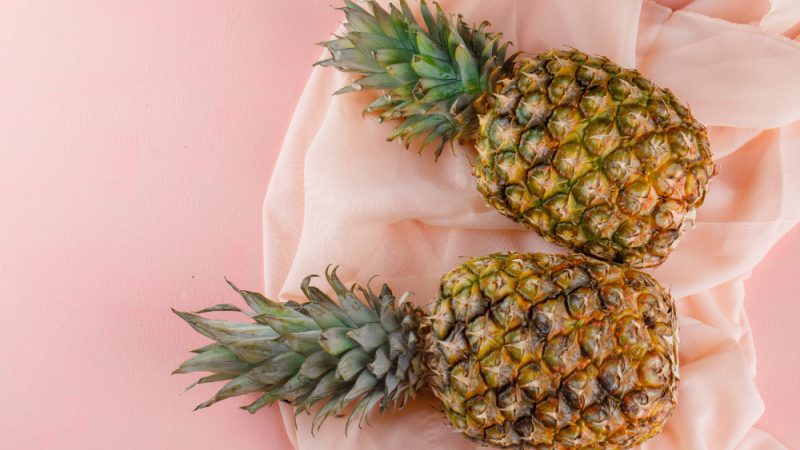
- Pineapple juice for natural sweetness and acidity
- Cream of coconut for rich texture
- Pink guava juice or strawberry puree for the signature color
- Crushed ice for a frosty, smooth consistency
- Optional: lime juice or grenadine for extra color and balance
The secret lies in balancing the creaminess of the coconut with the fruit-forward freshness of the pink ingredients. Some versions even replace the pineapple juice with pink pineapple juice for a lighter, more floral flavor.
The Perfect Piña Rosa Recipe
Making a Piña Rosa at home is simple. Combine the following steps for a tropical experience that feels straight out of the Caribbean.
- Add 2 ounces of rum, 3 ounces of pineapple juice, 1 ounce of cream of coconut, and 1 ounce of pink guava or strawberry puree into a blender.
- Add a handful of crushed ice.
- Blend until smooth and frothy.
- Pour into a chilled glass, preferably a hurricane or tulip glass.
- Garnish with a pineapple wedge, strawberry slice, or edible flower for presentation.
The result is a creamy, fruity cocktail that is both refreshing and visually stunning. For a mocktail version, replace the rum with coconut water or a splash of soda for fizz.
The Flavor Profile of Piña Rosa
The first sip of Piña Rosa is an experience of contrast and harmony. The creamy coconut base envelops the tongue, followed by the bright tropical sweetness of pineapple and the gentle tartness of pink fruit. The drink feels indulgent but never overpowering, leaving a clean and refreshing finish.
This balanced profile makes the Piña Rosa appealing to a wide audience. It is sweet enough to satisfy traditional Piña Colada fans but sophisticated enough for those who prefer modern, fruit-forward cocktails. The pink hue also gives it an element of visual delight, making it perfect for festive occasions and warm evenings by the beach.
The Cultural Appeal of Pink Cocktails
The rise of pink-themed cocktails like the Piña Rosa is more than just a social media trend. The color pink has become a symbol of playfulness, luxury, and relaxation. It evokes feelings of warmth, femininity, and joy — all elements that align perfectly with tropical vibes.
From pink gins to rosé-inspired drinks, pink beverages dominate modern bar menus because they blend aesthetic appeal with creativity. The Piña Rosa fits perfectly within this movement, combining elegance, tropical energy, and nostalgia in a single glass.
How to Serve Piña Rosa Like a Professional
Presentation plays a key role in the Piña Rosa’s charm. To elevate your drink, consider serving it in elegant glassware with artistic garnishes.
- Use a hurricane glass or coconut shell for an authentic tropical feel.
- Top with whipped coconut cream or foam for a luxurious texture.
- Add a pineapple leaf, strawberry slice, or edible flower for garnish.
- Sprinkle a hint of pink sea salt or dried rose petals for flair.
These finishing touches make the drink not only delicious but also visually irresistible — perfect for parties, celebrations, and summer events.
Healthier Alternatives and Variations
One reason for the Piña Rosa’s growing popularity is its versatility. You can easily adapt the recipe to suit different tastes and dietary needs.
- Vegan Version: Use coconut milk instead of cream of coconut.
- Low-Sugar Option: Replace sweetened fruit purees with fresh fruit and stevia or honey.
- Mocktail Version: Skip the rum and add sparkling coconut water for a lighter touch.
- Frozen Dessert Style: Blend the mixture with extra ice for a slushy texture and serve in a chilled bowl as a dessert.
Each variation maintains the tropical essence of the Piña Rosa while offering a fresh take for every preference.
The Global Influence of Piña Rosa
The Piña Rosa has quickly gained international popularity, especially in resort destinations and upscale bars. In tropical regions, it is celebrated as a symbol of creativity and cultural fusion — a bridge between Caribbean tradition and modern mixology.
Its success also owes much to its Instagram-worthy aesthetic. Bartenders worldwide experiment with local pink fruits — from guava in Latin America to lychee in Asia — creating regional versions of the Piña Rosa that reflect their own cultural ingredients.
The Future of the Piña Rosa
As cocktail culture continues to evolve, drinks like the Piña Rosa represent the new wave of innovation — where beauty, balance, and experience converge. It’s not just a beverage but an expression of escapism, joy, and craftsmanship.
With global hospitality trends emphasizing experiential dining, sustainability, and personalization, the Piña Rosa fits perfectly into the narrative. Its flexible recipe allows for fresh, locally sourced ingredients, making it both eco-conscious and adaptable for modern tastes.
Conclusion
The Piña Rosa is more than just a drink — it’s a statement. A reinvention of the Piña Colada that blends nostalgia with innovation, flavor with color, and tradition with artistry. Whether enjoyed on a sunny beach, at a rooftop bar, or in your own kitchen, the Piña Rosa captures the spirit of the tropics in every sip.
Its smooth balance of pineapple, coconut, and pink fruit delivers the perfect mix of refreshment and indulgence. The future of tropical cocktails is bright, colorful, and unashamedly bold — just like the Piña Rosa.
FAQs
1. What is a Piña Rosa made of?
A Piña Rosa is made from rum, pineapple juice, cream of coconut, and a pink fruit such as guava, strawberry, or pink dragon fruit. It is blended with ice to create a smooth, creamy tropical drink.
2. How is the Piña Rosa different from a Piña Colada?
The Piña Rosa keeps the classic coconut and pineapple base of the Piña Colada but adds pink fruits to give it a vibrant color and a slightly tangy flavor. It is lighter and more visually striking than the original.
3. Can I make a Piña Rosa without alcohol?
Yes. Replace the rum with coconut water or soda water for a refreshing mocktail version. The flavor remains tropical and enjoyable without any alcohol content.
4. What fruits can I use to make the drink pink?
Common options include pink guava, strawberries, raspberries, or pink dragon fruit. Each offers a different shade of pink and a unique twist on the flavor.
5. Is the Piña Rosa healthy?
When made with natural fruit juices and unsweetened coconut milk, the Piña Rosa can be a relatively healthy cocktail. It is rich in vitamin C, antioxidants, and hydrating electrolytes, though moderation is still key when alcohol is included.
Also read: Unphishable – The Future of Phishing-Proof Security