 By
By Ants are among the most common household pests in the world. While they might seem harmless compared to cockroaches or rodents, ants can pose surprising health risks. Many people overlook their potential to spread germs and bacteria simply because they are small and quiet. However, ants often crawl through trash, drains, and other unsanitary areas before invading kitchens and food storage spaces. This behavior can lead to contamination, which may result in illness if left unchecked.
Understanding how ants move, what attracts them, and how they can carry harmful microbes is key to protecting your household from hidden health dangers.
How Ants Live and Move
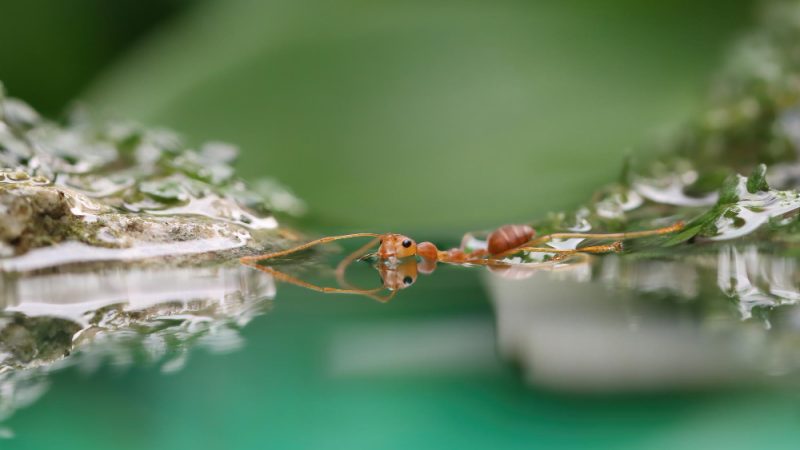
Ants are social insects that live in colonies, often consisting of thousands of individuals. They are constantly searching for food and water to bring back to the nest. Because of their scavenging behavior, ants travel across various surfaces including dirty floors, garbage bins, pet food areas, and even bathrooms. When they find a food source, they leave a chemical trail called pheromones so that other ants can follow.
As they move, ants pick up and transfer bacteria on their legs and bodies. These germs can easily spread to the next surface they touch, including kitchen counters, utensils, and uncovered food.
Can Ants Carry Germs and Pathogens?
Yes, ants can carry germs, bacteria, and even fungi. Studies have found that ants collected from hospitals, restaurants, and homes often carry microorganisms that are potentially harmful to humans. The most common pathogens associated with ants include Salmonella, Staphylococcus, and Streptococcus. These bacteria are known to cause foodborne illnesses, infections, and other health problems.
When ants crawl over contaminated materials such as waste or decaying food, they can transfer these pathogens to clean surfaces or directly onto human food.
How Ants Contaminate Food and Surfaces
Ants contaminate food through direct contact. When they crawl over open food containers, fruits, or leftovers, they can leave behind bacteria. Some species of ants also excrete waste or saliva while eating, which further increases contamination. Because ants often invade kitchens and pantries, the risk of spreading bacteria becomes even greater.
Even a few ants on your counter can be enough to contaminate food, especially if they have recently traveled from dirty environments like drains or trash bins. This makes ant control and hygiene maintenance critical for preventing health issues.
Common Diseases Linked to Ants
While ants themselves do not usually transmit diseases in the same way as mosquitoes or rats, they act as mechanical carriers of harmful microbes. Here are some of the most common diseases and conditions linked to ant contamination:
- Food poisoning: Caused by bacteria such as Salmonella or E. coli that ants may spread to food.
- Respiratory infections: Certain bacteria carried by ants can trigger respiratory symptoms in sensitive individuals.
- Skin infections: Contact with contaminated surfaces may cause skin irritation or infection.
- Gastrointestinal issues: Ingesting contaminated food can lead to stomach cramps, diarrhea, and vomiting.
Although rare, the potential for disease transmission is still a valid concern, especially in environments where cleanliness is vital such as kitchens, hospitals, or daycare centers.
Ant Species Known to Cause Health Problems
Not all ants are equally risky, but a few species are more likely to carry and spread harmful bacteria.
- Pharaoh ants: These small yellow ants are notorious for infesting hospitals. They can carry dangerous pathogens including Salmonella and Staphylococcus.
- Argentine ants: Found in warm climates, they often invade kitchens and can contaminate food sources.
- Carpenter ants: Although they mainly damage wood, they can still spread bacteria if they come into contact with food.
- Sugar ants: Attracted to sweets, these ants are frequent kitchen invaders and can spread germs through food contamination.
Knowing which species are common in your area can help you identify potential risks and respond appropriately.
Why Ant Infestations Should Be Taken Seriously
Many people underestimate the seriousness of an ant infestation. Because ants do not bite or sting in most cases, their presence is often dismissed as a minor annoyance. However, large infestations can quickly lead to major hygiene problems. Once ants find a steady food source inside a home, they build trails and nesting areas that are difficult to remove.
The longer the infestation lasts, the greater the chance of contamination and disease spread. Ants can also damage stored food products and create a constant cycle of reinfestation if not properly controlled.
Preventing Ant-Related Health Risks
Prevention is the best way to protect your home from ant-related diseases. The goal is to make your environment less attractive to ants and to stop them before they gain access to food or water sources. Here are some effective prevention strategies:
- Keep food stored in sealed containers.
- Clean kitchen counters, sinks, and floors regularly.
- Dispose of garbage promptly and keep bins closed.
- Repair leaking faucets or pipes that provide water sources.
- Seal entry points such as cracks, windows, and door gaps.
- Avoid leaving pet food or crumbs exposed overnight.
By maintaining a clean environment and reducing attractants, you can minimize the chances of an infestation.
Natural and Chemical Solutions for Ant Control
When prevention is not enough, you may need to use natural or chemical methods to control ants.
Natural methods include using vinegar, lemon juice, or peppermint oil to disrupt ant trails. Boric acid mixed with sugar water can also attract and kill ants over time. These solutions are safer for households with children or pets.
Chemical control involves insecticidal sprays, baits, or professional pest control services. While these methods are highly effective, they should be used cautiously and according to label directions. Always clean and ventilate areas where chemicals are applied.
When to Call a Professional Exterminator
If you notice ants appearing daily despite cleaning and sealing entry points, it might be time to contact a pest control professional. Professionals can identify the species, locate the nest, and apply safe and effective treatment methods that eliminate the entire colony rather than just surface-level ants. This is especially important for pharaoh ants and other species that can spread quickly through hidden crevices and wall spaces.
An exterminator can also provide preventive advice to ensure the problem does not return, giving you long-term protection against ant-related health issues.
Conclusion
Although ants may seem like harmless intruders, they can carry and spread bacteria that pose health risks to humans. From contaminating food to transferring disease-causing microbes, ants are more than just a nuisance. Keeping your home clean, sealing entry points, and acting quickly at the first sign of infestation can help prevent potential illnesses.
Ant control is not just about convenience—it is a vital part of maintaining a safe and hygienic living environment. By understanding how ants behave and the risks they pose, you can protect your family from hidden dangers and ensure your home remains pest-free.
FAQs
1. Can ants make you sick?
Yes, ants can make you sick indirectly. They pick up bacteria and other microorganisms from dirty areas and transfer them to food and surfaces, leading to foodborne illnesses.
2. Are ants as dangerous as cockroaches?
While ants are less likely to cause allergic reactions or spread parasites compared to cockroaches, they can still contaminate food with harmful bacteria and should not be ignored.
3. How do I know if my kitchen is contaminated by ants?
If you frequently see ants near food, trash, or sinks, there is a high chance they are spreading germs. Clean all surfaces thoroughly and dispose of any exposed food.
4. Can I get rid of ants without chemicals?
Yes, you can use natural remedies like vinegar, lemon juice, and boric acid traps. However, severe infestations may require professional help or chemical treatment.
5. How can I keep ants from coming back?
Seal food in airtight containers, fix leaks, clean regularly, and block entry points. Preventive maintenance is the best defense against recurring ant infestations.
Also read: What Is Camming a Car? Everything You Need to Know