
 By
By The human body is constantly exposed to microorganisms and foreign substances. Yet, despite the thousands of pathogens that enter through air, food, and contact, our bodies usually remain healthy. This powerful protection comes from the immune system — a complex network of cells and molecules that can recognize and destroy invaders. At the center of this defense lies one crucial component: the antigen. Understanding what antigens are and how they trigger the immune response is essential to grasping how vaccines, immunity, and disease resistance work.
Definition of an Antigen
An antigen is any molecule or substance that the immune system recognizes as foreign or non-self. When the body encounters an antigen, it activates immune cells that identify, attack, and remove it. Antigens can be parts of pathogens like viruses, bacteria, fungi, or parasites. They can also be toxins, chemicals, or even cells from another person, as in blood transfusions or organ transplants. The word “antigen” originates from “antibody generator,” meaning it stimulates the production of antibodies.
Types of Antigens
Antigens come in several forms depending on their origin and structure. The two broad categories are exogenous antigens and endogenous antigens.
Exogenous antigens enter the body from the outside. These include components of bacteria, viruses, and other microorganisms, such as proteins or polysaccharides on their surfaces. They can also include allergens like pollen or dust particles.
Endogenous antigens are generated within the body’s own cells. This happens when a virus infects a cell and uses it to produce viral proteins, or when a cell becomes cancerous and produces abnormal molecules. These antigens are displayed on the cell surface, signaling the immune system that something is wrong.
Other specialized types include autoantigens, which are normal body proteins mistakenly targeted by the immune system in autoimmune diseases, and tumor antigens, which are unique to cancer cells.
Structure of an Antigen
Antigens are usually proteins or polysaccharides, although lipids and nucleic acids can also act as antigens when attached to proteins or sugars. Each antigen has specific parts called epitopes or antigenic determinants, which are the precise regions recognized by antibodies or immune cells. A single antigen can have multiple epitopes, allowing different immune cells to recognize and respond to it. This diversity ensures a broad and effective immune defense.
The Immune System’s Recognition of Antigens
The immune system distinguishes between “self” and “non-self.” Cells of the immune system have surface receptors that can detect antigens. The recognition process starts with antigen-presenting cells (APCs) such as macrophages, dendritic cells, and B cells. These cells engulf and digest foreign material, then display fragments of the antigen on their surface using molecules known as major histocompatibility complex (MHC) proteins.
This presentation acts as a signal to other immune cells, mainly T lymphocytes, telling them that a foreign substance is present. The immune response then unfolds in two main stages: the innate and adaptive responses.
The Innate Immune Response
The innate immune system is the body’s first line of defense. It responds quickly and non-specifically to any foreign invader. When an antigen enters, innate immune cells such as macrophages, neutrophils, and natural killer cells act immediately. They engulf pathogens, destroy them, and release chemical messengers called cytokines that attract more immune cells to the infection site.
However, the innate response does not provide long-term protection or memory. Its main role is to contain the infection and activate the more specialized adaptive immune system, which specifically targets the antigen.
The Adaptive Immune Response
The adaptive immune system is slower to activate but far more precise. It involves two main types of lymphocytes: B cells and T cells.
- B cells produce antibodies that bind specifically to the antigen.
- T cells either help coordinate the response or directly kill infected cells.
When an antigen is presented by APCs, helper T cells (CD4+ cells) recognize it through their receptors. These T cells then activate B cells and cytotoxic T cells (CD8+ cells). The cytotoxic T cells destroy infected or abnormal cells displaying the antigen, while the B cells begin to secrete antibodies that neutralize or mark antigens for destruction.
Antibody Production and Function
Antibodies, also known as immunoglobulins, are Y-shaped proteins produced by B cells. Each antibody is highly specific to a particular antigen. Once bound to an antigen, antibodies can neutralize toxins, block viruses from entering cells, or mark pathogens for destruction by other immune cells through a process called opsonization.
There are five main classes of antibodies — IgG, IgM, IgA, IgE, and IgD — each serving a different role. For example, IgG provides long-term protection, IgM is produced during early infection, and IgA protects mucosal surfaces like the respiratory and digestive tracts.
Memory and Immunological Response
One of the most remarkable features of the immune system is its memory. After an infection or vaccination, memory B and T cells remain in the body. These cells “remember” the specific antigen, allowing the immune system to respond much faster and stronger if exposed again. This is the principle behind vaccination — exposing the immune system to harmless or weakened forms of antigens to train it for future protection.
Antigens and Vaccines
Vaccines work by introducing an antigen that mimics a pathogen without causing the disease. The immune system recognizes the antigen, creates antibodies, and forms memory cells. Later, if the real pathogen invades, the immune system quickly identifies its antigens and mounts an immediate defense.
Modern vaccines may use live-attenuated viruses, inactivated pathogens, protein subunits, or even genetic material that instructs cells to produce the antigen themselves, as seen in mRNA vaccines. In every case, the antigen is the key component that educates the immune system.
Medical Importance of Antigens
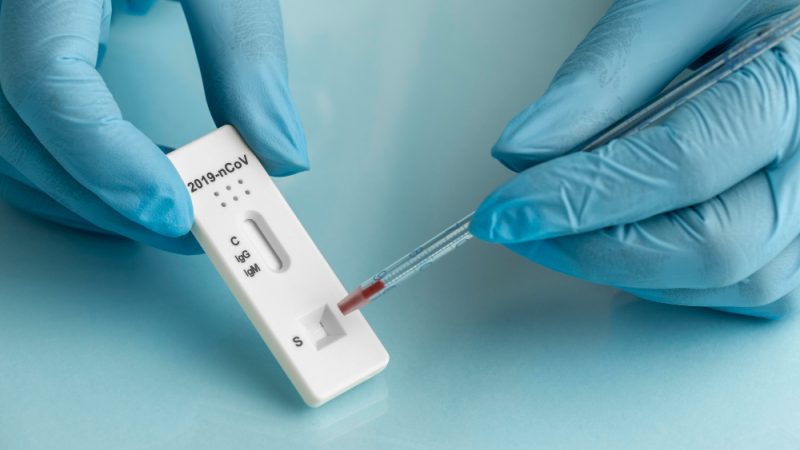
Antigens play a critical role in many areas of medicine. In diagnostics, antigen tests are used to detect infections rapidly by identifying pathogen-specific proteins. During the COVID-19 pandemic, antigen tests became vital tools for quick detection of viral infections.
In blood transfusions and organ transplants, matching antigens between donor and recipient prevents immune rejection. In cancer research, scientists are studying tumor-specific antigens to develop vaccines and targeted immunotherapies that help the immune system destroy cancer cells.
Understanding antigens also helps diagnose autoimmune diseases, where the immune system mistakenly attacks the body’s own antigens, leading to chronic inflammation and tissue damage.
Conclusion
Antigens are at the heart of the body’s immune defense. They act as signals that alert the immune system to danger and trigger a series of responses that protect us from infection and disease. From the initial recognition by immune cells to the production of antibodies and the formation of memory, every step of this process depends on the unique structure and properties of antigens.
By understanding how antigens function, scientists have developed vaccines, diagnostic tests, and therapies that save millions of lives. Whether naturally encountered or introduced through medicine, antigens remain one of biology’s most powerful tools in safeguarding human health.
FAQs
1. What exactly is an antigen?
An antigen is any molecule or substance that the immune system recognizes as foreign. It can come from viruses, bacteria, or other non-self sources, and it triggers the production of antibodies or immune cell responses.
2. How do antigens differ from antibodies?
Antigens are the foreign substances that provoke an immune response, while antibodies are the proteins produced by B cells to neutralize or destroy those antigens.
3. Can antigens come from the body itself?
Yes. Sometimes the immune system mistakenly identifies normal body proteins as foreign. These are called autoantigens and are involved in autoimmune diseases like lupus or rheumatoid arthritis.
4. How are antigens used in vaccines?
Vaccines contain weakened or harmless forms of antigens that stimulate the immune system to produce antibodies and memory cells. This prepares the body to fight the actual pathogen in the future.
5. Why are antigen tests important?
Antigen tests help detect infections by identifying specific proteins from a virus or bacteria. They are fast, simple, and useful for diagnosing contagious diseases early.
Also read: Signia Active Pro: The Ultimate Guide to Modern Hearing Technology