 By
By Many travelers worry about whether going through airport security could expose them to law enforcement issues. One of the most common questions is whether the Transportation Security Administration checks for arrest warrants during airport screening. This concern often arises among people with past legal issues, unresolved court matters, or simple uncertainty about how airport security works.
Understanding what TSA does and does not do can help travelers feel informed and prepared. This article explains how TSA operates, whether warrants are checked, and when law enforcement may become involved at airports.
What the TSA Is and What It Is Not
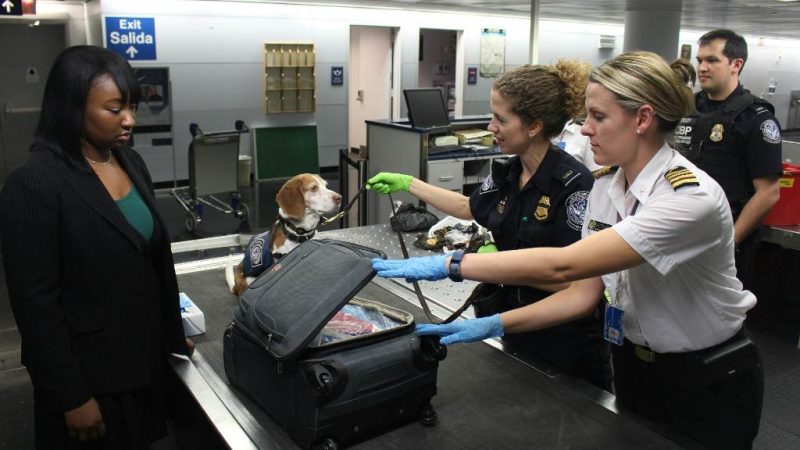
The Transportation Security Administration is a federal agency under the Department of Homeland Security. Its primary mission is transportation security, not law enforcement. TSA officers are responsible for screening passengers and baggage to prevent prohibited items from entering secure areas of airports or aircraft.
TSA officers are not police officers. They do not investigate crimes, issue arrest warrants, or run routine criminal background checks on passengers at security checkpoints.
TSA’s Primary Role at Airport Security Checkpoints
At airport security checkpoints, TSA focuses on identifying threats related to aviation safety. This includes detecting weapons, explosives, and other prohibited items. Officers verify passenger identification only to confirm that the name on the boarding pass matches the ID presented.
This identity verification is not a criminal records check. It is simply a method to ensure passengers are authorized to fly and are entering the secure area correctly.
Does TSA Check for Warrants During Screening
In general, TSA does not actively check for arrest warrants during routine airport screening. TSA does not have a system designed to search passengers for outstanding warrants when they present identification at security.
Most travelers with outstanding warrants are not identified by TSA during normal screening because that is not part of the agency’s role or function.
When Law Enforcement May Become Involved
Although TSA does not search for warrants, law enforcement may become involved if a situation arises during screening. If a passenger triggers a security concern, behaves suspiciously, or commits a crime at the airport, TSA may contact local or federal law enforcement.
Once law enforcement is involved, officers may run a background check, which could reveal outstanding warrants. This involvement is situational, not automatic, and typically occurs only when there is a separate reason for police intervention.
Identification Checks and Secure Flight Program
Passenger information is screened through the Secure Flight program, which is managed by the Department of Homeland Security, not TSA officers at checkpoints. Secure Flight compares passenger information to government watchlists such as the No Fly List and Selectee List.
These lists are related to national security and terrorism concerns, not general arrest warrants. Being on a watchlist is different from having a criminal warrant.
TSA PreCheck and Background Checks
Some travelers assume TSA PreCheck involves checking for warrants because it includes a background check. TSA PreCheck screenings focus on criminal history related to terrorism, aviation security, and serious disqualifying offenses.
Minor warrants, civil matters, or unrelated criminal issues are typically not the focus of TSA PreCheck eligibility. Even so, TSA PreCheck background checks occur during enrollment, not every time a traveler flies.
Airports as Law Enforcement Environments
Airports are shared spaces where multiple agencies operate. Local police, state authorities, and federal law enforcement such as airport police or federal air marshals may be present.
If a traveler has an outstanding warrant and encounters law enforcement for unrelated reasons, the warrant may be discovered. This discovery is due to police presence, not TSA screening itself.
Common Myths About TSA and Warrants
One common myth is that TSA scans IDs against nationwide criminal databases. This is not accurate. TSA systems are designed for identity verification and threat prevention, not criminal enforcement.
Another misconception is that flying automatically exposes someone to law enforcement checks. Millions of people with unresolved legal issues fly every year without incident because TSA does not search for warrants during standard screening.
Legal Considerations for Travelers
Travelers with legal concerns should understand that laws and enforcement practices can vary by jurisdiction. While TSA does not check for warrants, interacting with law enforcement anywhere, including airports, carries potential legal implications.
This article provides general information and is not legal advice. Individuals with serious legal concerns may wish to consult an attorney before traveling.
Why This Question Is So Common
The fear of arrest at an airport is often driven by uncertainty rather than policy. Airports feel heavily controlled, which leads people to assume all systems are interconnected. In reality, TSA’s role is narrow and specific.
Understanding the limits of TSA authority helps travelers separate fact from fear and make informed decisions about travel.
Conclusion
TSA does not routinely check for arrest warrants at airport security checkpoints. Its mission is focused on aviation safety, not criminal enforcement. While law enforcement may become involved if a situation arises, most passengers pass through security without any interaction related to warrants.
Knowing how TSA operates can reduce anxiety and help travelers understand what to expect when flying. Awareness, not fear, is the key to confident travel.
FAQs
Can TSA arrest someone with a warrant?
TSA officers do not have arrest authority. If a situation requires law enforcement, TSA may contact police who have the authority to arrest.
Will my ID be checked against a warrant database?
No, TSA does not run passenger IDs through warrant databases during standard screening.
Can airport police see warrants?
Yes, if airport or local police run a background check for any reason, they may see outstanding warrants.
Does TSA PreCheck check for warrants?
TSA PreCheck includes a background check during enrollment, but it does not involve checking for minor or unrelated warrants each time you fly.
Is it risky to fly with an outstanding warrant?
The risk depends on individual circumstances and potential interactions with law enforcement, not TSA screening alone.
Also read: Top Yerba Mate Brands Around the World