 By
By The 1960s were a golden era for car enthusiasts. It was a time of innovation, elegance, and bold design when the world’s most iconic vehicles were born. Yet, among the Mustangs, Corvettes, and Ferraris of that decade, one remarkable creation quietly stood apart — the 1966 Apollo car. Though it never achieved mass production or widespread fame, the Apollo remains a fascinating example of American ingenuity blended with European craftsmanship.
Often called “America’s Italian sports car,” the 1966 Apollo was an ambitious project that aimed to combine American engineering power with the refined style of Italian design. Its story is one of vision, creativity, and determination — and one that deserves to be remembered as a significant chapter in automotive history.
The Birth of the Apollo Dream
The Apollo project was born in California during the early 1960s, conceived by a group of passionate automobile enthusiasts led by Milt Brown, a talented engineer. Brown envisioned a car that could rival European sports models like Ferrari and Aston Martin but built in the United States. To achieve this, he needed a design that captured European sophistication without losing the heart of American performance.
Brown partnered with Ron Plescia, who helped with styling, and Frank Reisner, founder of Intermeccanica, an Italian company known for its hand-built sports car bodies. This partnership gave rise to a unique collaboration — an American mechanical core housed in an Italian-designed shell.
The Apollo was designed, engineered, and assembled in Oakland, California, with its bodies built in Turin, Italy, by Intermeccanica. The finished cars were then shipped back to the U.S. for final assembly, creating one of the first truly transcontinental cars of its time.
The 1966 Apollo: The Pinnacle of the Line
By 1966, the Apollo car had reached its most refined form. Known as the Apollo GT, the 1966 model represented the culmination of several years of design evolution and mechanical tuning. It featured a lightweight steel body, elegant proportions, and a luxurious yet sporty interior.
Under the hood, the car was powered by a reliable and powerful American V8 engine — most often the 215-cubic-inch Buick aluminum engine or later a 300-cubic-inch version. This combination of lightweight construction and American horsepower gave the Apollo impressive performance, rivaling European competitors of its day.
The 1966 Apollo GT could reach speeds of over 130 miles per hour, with smooth acceleration and balanced handling. Despite its limited production, it was praised by critics and test drivers for its refinement and driving pleasure.
A Fusion of American Muscle and Italian Elegance
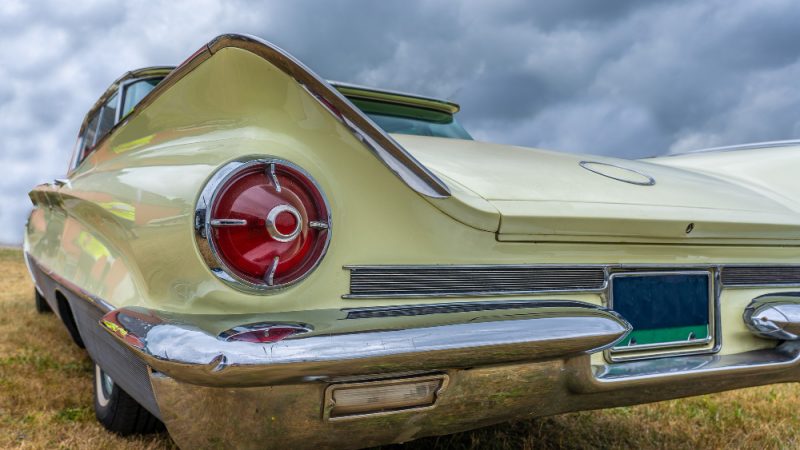
One of the Apollo’s most striking qualities was its design. The body, crafted in Italy, exuded the sleek lines and timeless proportions of a European grand tourer. The long hood, short rear deck, and flowing fenders gave it a distinctively continental presence, while subtle chrome accents added a touch of American flair.
Inside, the cabin was designed for both comfort and performance. It featured leather upholstery, wood trim, and a classic instrument cluster reminiscent of Italian exotics. The driving position was low and sporty, creating a sense of control and engagement rare among American cars of the era.
This combination of European beauty and American practicality made the Apollo a true hybrid of automotive cultures — a sports car that captured the best of both worlds.
Engineering and Performance
The Apollo’s engineering philosophy was built around simplicity and balance. Its lightweight tubular chassis and aluminum V8 engine gave it an excellent power-to-weight ratio. The front-engine, rear-wheel-drive setup ensured stability, while the independent front suspension provided smooth handling.
The car’s power output varied depending on configuration, but most 1966 Apollo models produced between 200 and 250 horsepower — enough to deliver exhilarating performance without sacrificing reliability. The use of a Buick drivetrain also made maintenance far easier and less expensive than its European rivals.
Test drives from the time praised the Apollo for its refined driving dynamics, calling it “a gentleman’s sports car” that combined comfort and speed in equal measure.
The Challenges Behind the Dream
Despite its technical brilliance and stunning design, the Apollo faced significant challenges. Production costs were high due to the international nature of the operation — shipping body shells from Italy and assembling them in the U.S. proved complex and expensive.
The small-scale operation also struggled with financial stability. Without the backing of a major manufacturer, Milt Brown and his team found it difficult to maintain consistent production and marketing. By 1966, fewer than 90 Apollos had been built, including coupes and convertibles.
The dream began to fade as funding ran out. Though a few attempts were made to revive the project under different names such as the Griffith GT and the Vetta Ventura, none reached significant success.
Why the Apollo Faded Into Obscurity
Several factors contributed to the Apollo’s disappearance from mainstream recognition. The lack of a strong dealership network limited its exposure, while competing against well-established brands like Jaguar and Ferrari proved nearly impossible for a small startup.
Additionally, the American market at the time was shifting toward muscle cars, which offered similar power at a lower price. The Apollo’s luxury-sports blend appealed to a niche audience, but not enough to sustain large-scale production.
As the years went by, the Apollo became one of those rare cars that only true enthusiasts remembered — a symbol of ambition and artistry overshadowed by industry giants.
Rediscovering the 1966 Apollo Today
Today, the 1966 Apollo car is considered a rare collectible. Only around 80 to 90 examples are believed to have been produced, making surviving models highly sought after among classic car collectors.
Restored Apollos occasionally appear at vintage car shows and auctions, where they draw admiration for their craftsmanship and historical significance. Collectors value them not only for their rarity but also for their unique place in automotive history as one of the first American-Italian collaborations.
In recent years, the Apollo has experienced a small resurgence of interest, thanks to the growing appreciation for handcrafted classic cars and mid-century automotive design.
The Apollo’s Legacy in Automotive History
Though the 1966 Apollo never achieved commercial success, its legacy endures as a bold experiment that bridged continents. It paved the way for future collaborations between American and European automakers, influencing cars like the De Tomaso Pantera and Iso Grifo that followed a similar philosophy.
The Apollo demonstrated that the fusion of American engineering and European design could yield something truly special. It stands as a reminder that innovation often begins with passion, not profit.
Many modern car enthusiasts view the Apollo as an early example of what we now call a “global car,” combining talent, materials, and ideas from multiple countries. In that sense, it was ahead of its time — a car that looked beyond borders to create something timeless.
Preserving the Apollo Spirit
Preserving a 1966 Apollo today is no easy task. Its limited production means replacement parts are rare, and each car requires careful restoration by specialists familiar with both American and Italian vehicles. However, the owners who invest in these restorations do so not just for the sake of the car’s beauty, but to honor its story.
Car clubs and online communities dedicated to the Apollo continue to share knowledge, photographs, and restoration tips to keep its memory alive. Through these enthusiasts, the Apollo’s legacy continues to inspire a new generation of car lovers.
Conclusion
The 1966 Apollo car is a story of vision, artistry, and determination. It represented the best of two worlds — the power and reliability of American engineering combined with the elegance and precision of Italian design. Although financial struggles and limited production prevented it from achieving widespread fame, its impact on automotive history is undeniable.
Today, the Apollo stands as a tribute to creativity and craftsmanship, a reminder that greatness is not always measured in sales numbers but in passion and innovation. The Apollo may be a forgotten classic to many, but for those who know its story, it remains a timeless icon of what happens when dreams take shape on four wheels.
FAQs
1. Who designed the 1966 Apollo car?
The Apollo was designed by Milt Brown, an American engineer, in collaboration with Frank Reisner of Intermeccanica, who built the bodies in Italy.
2. How many Apollo cars were produced?
Fewer than 90 Apollo cars were built between 1962 and 1966, making it an extremely rare collector’s item today.
3. What engine did the 1966 Apollo have?
Most 1966 Apollo models were equipped with Buick V8 engines, ranging from 215 to 300 cubic inches, offering both reliability and performance.
4. How fast could the Apollo go?
The Apollo GT could reach top speeds of around 130 miles per hour, thanks to its lightweight body and powerful V8 engine.
5. Why did production of the Apollo stop?
High production costs, financial challenges, and limited market visibility caused the project to end by 1966, despite positive reviews from automotive journalists.
Also read: Are Recliners Bad for Your Back? The Truth About Comfort and Posture